
Blogs
Why Rice Quality Matters in International Trade

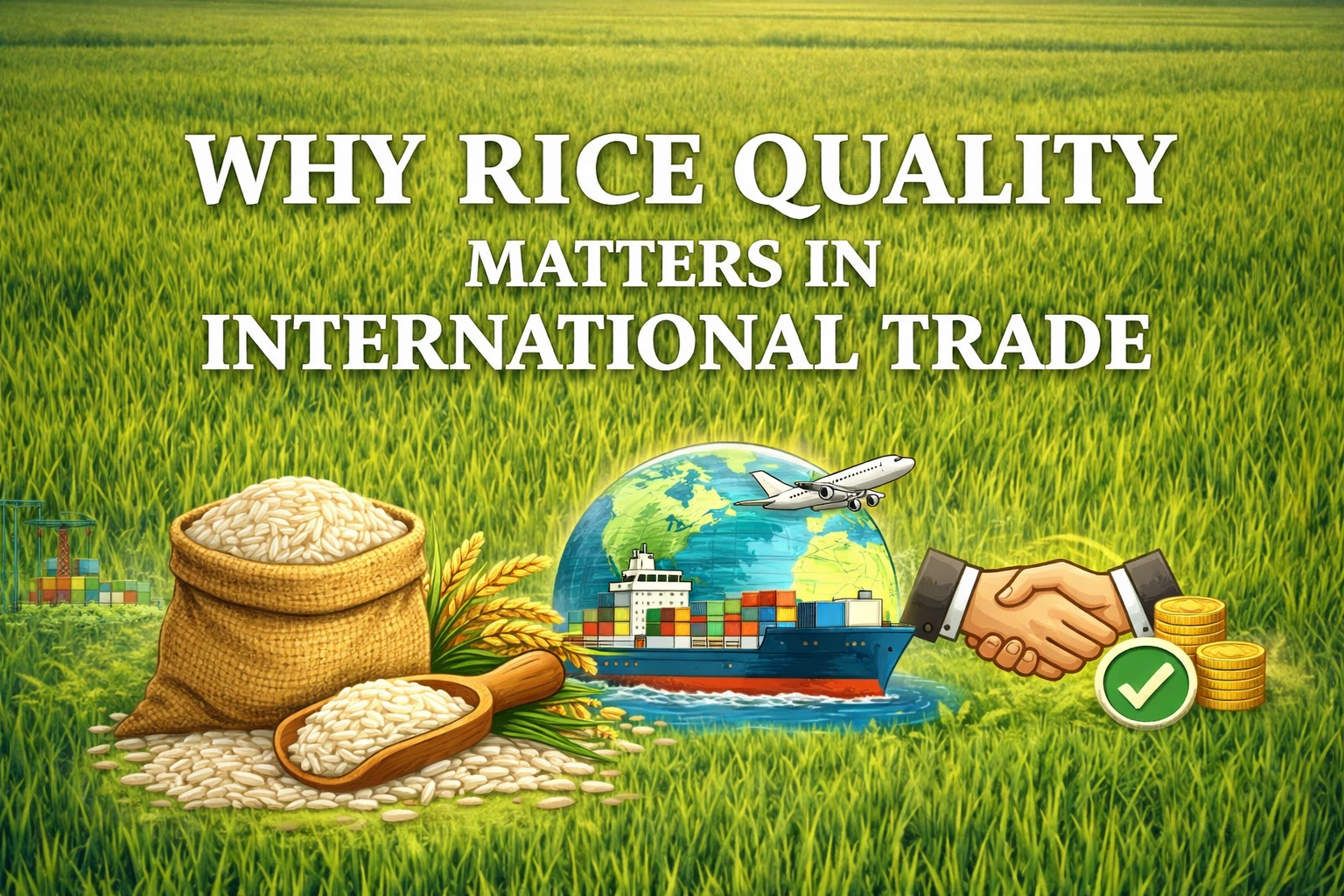
In the global rice industry, quality is one of the most important factors influencing trade, pricing, and long-term business relationships. For importers, distributors, and food businesses, consistent and high-quality rice is essential to meet customer expectations and maintain brand reputation. This is why rice quality plays a crucial role in international trade.
1. Meeting International Standards
Different countries have strict regulations and quality requirements for imported rice. These standards include:
- Grain length and uniformity
- Moisture content
- Broken grain percentage
- Cleanliness and purity
High-quality rice that meets these standards ensures smooth entry into international markets and avoids rejection or delays.
2. Impact on Market Value and Pricing
Rice quality directly affects its price in global markets. Premium rice varieties with:
- Extra-long grains
- Low breakage
- Strong aroma
are sold at higher prices compared to lower-grade rice. For exporters, maintaining quality means better profit margins and competitiveness.
3. Customer Satisfaction and Brand Reputation
In international trade, consistency is key. Buyers expect the same quality in every shipment. Poor quality can lead to:
- Customer dissatisfaction
- Loss of trust
- Reduced repeat orders
On the other hand, consistent high-quality rice helps build long-term relationships and brand credibility.
4. Better Cooking Performance
High-quality rice offers superior cooking results, including:
- Fluffy and non-sticky texture
- Good grain separation
- Enhanced taste and aroma
This is especially important for restaurants, catering businesses, and food service providers worldwide.
5. Reduced Risk During Storage and Shipping
Quality rice is properly processed and packaged, making it more stable during long-distance transport. It reduces risks such as:
- Spoilage due to moisture
- Contamination
- Grain damage
This ensures the rice reaches international buyers in perfect condition.
6. Compliance with Export Requirements
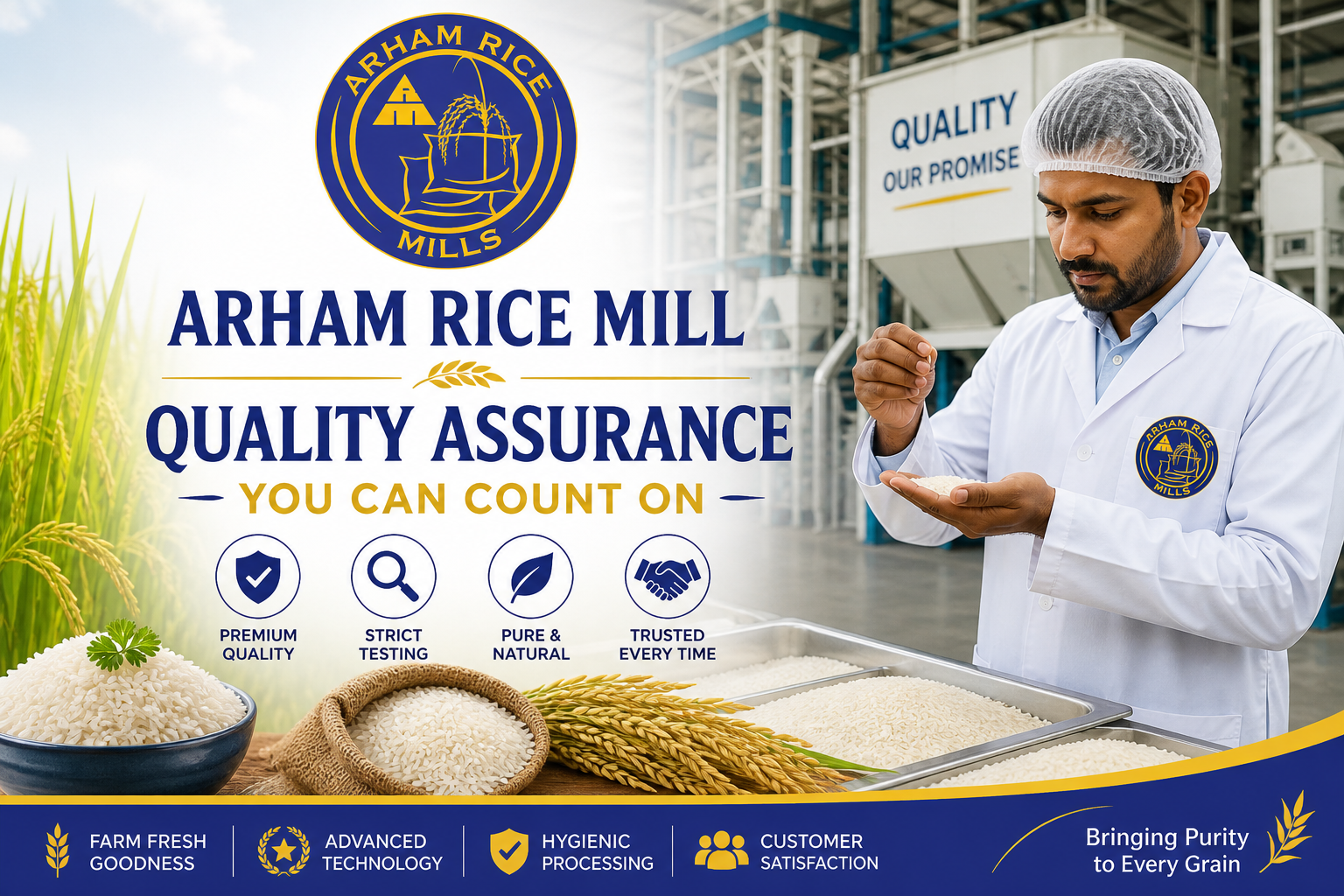
Export-quality rice must go through strict grading, testing, and packaging processes. At Arham Rice Mill, advanced quality control systems ensure:
- Consistent grading
- Hygienic processing
- Export-ready packaging
This helps meet global trade requirements and ensures reliability.
Conclusion
Rice quality is a critical factor in international trade, affecting pricing, customer satisfaction, and long-term business success. High-quality rice ensures compliance with global standards, better cooking performance, and reliable supply.
At Arham Rice Mill, we prioritize quality at every stage to deliver premium rice that meets international expectations and builds lasting trust with global buyers.