Blogs
Transforming Pakistan’s Rice Industry with Quality and Value

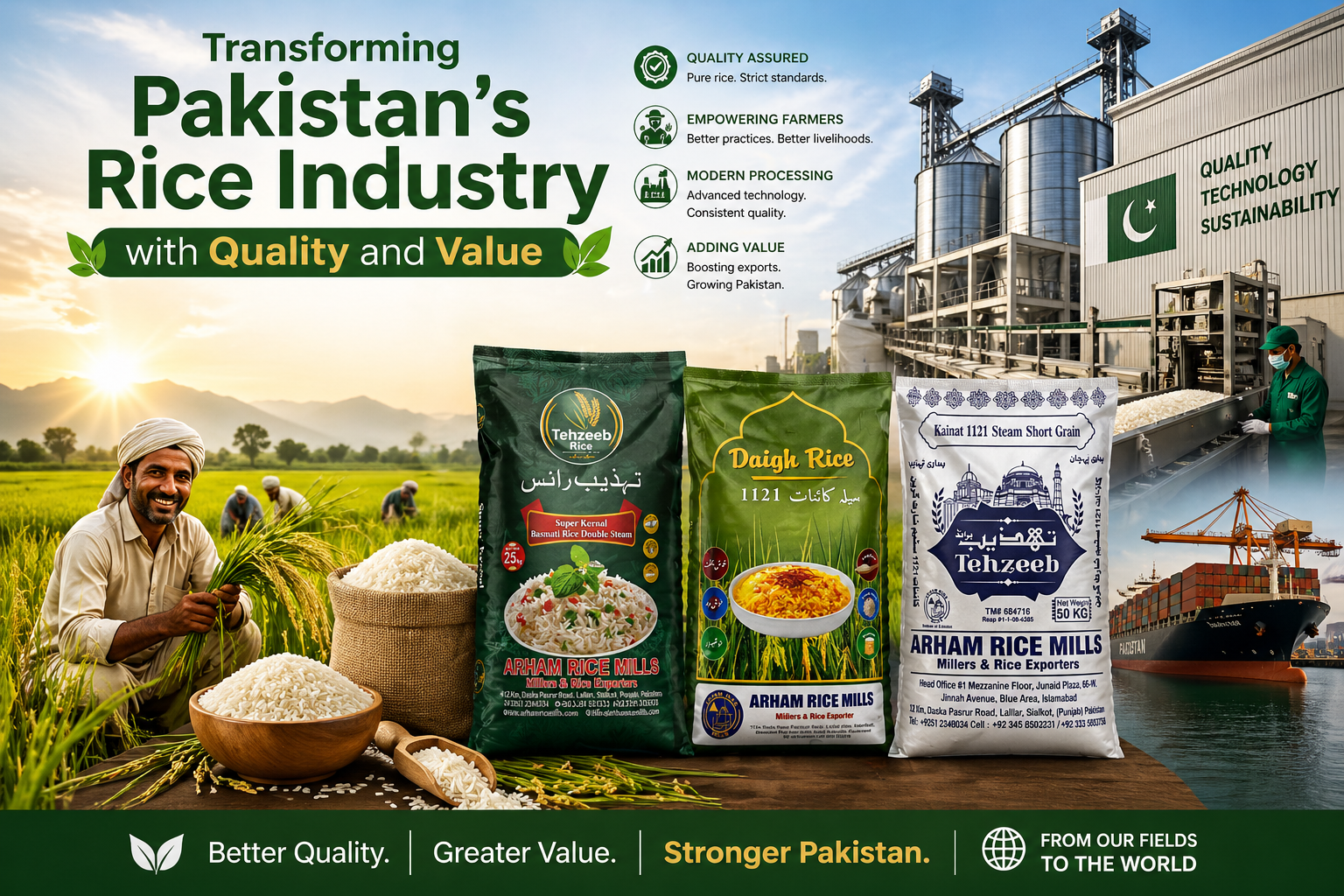
Pakistan’s rice industry is one of the most important contributors to the country’s economy, playing a vital role in both domestic consumption and global exports. However, the industry is evolving rapidly, with increasing demand for higher quality, better processing, and competitive pricing. Companies like Arham Rice Mill are at the forefront of this transformation, redefining standards through a strong focus on quality and value.
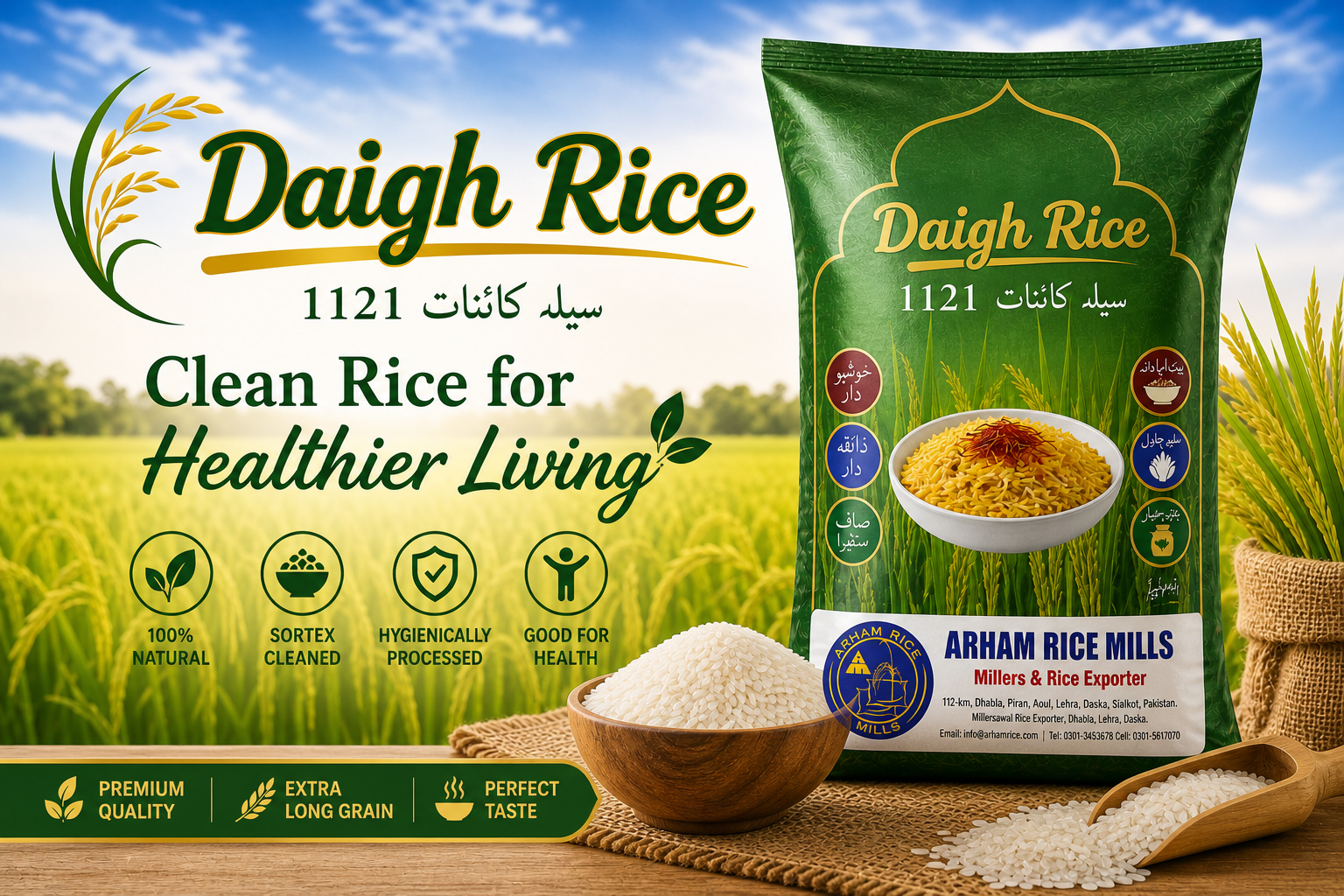
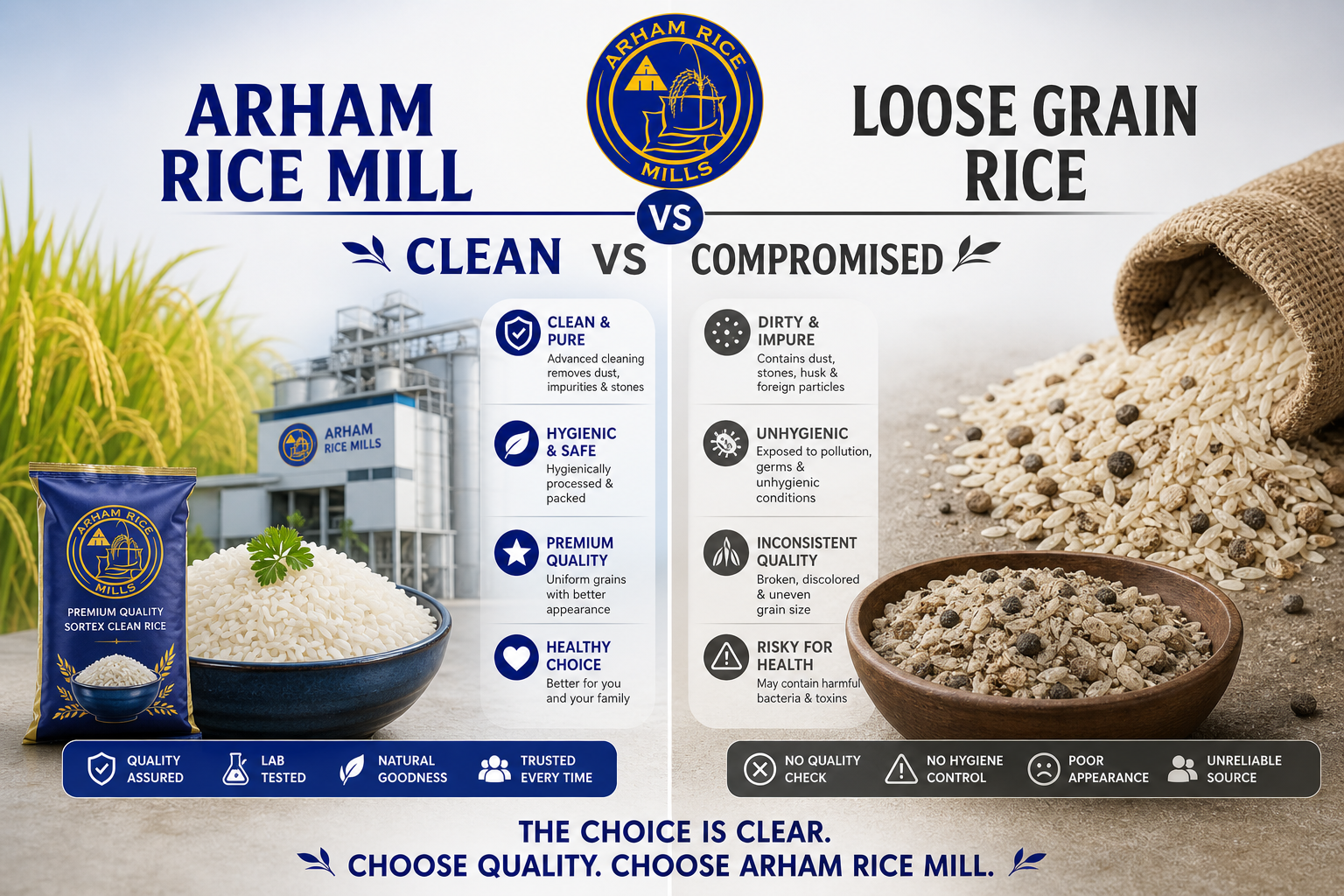
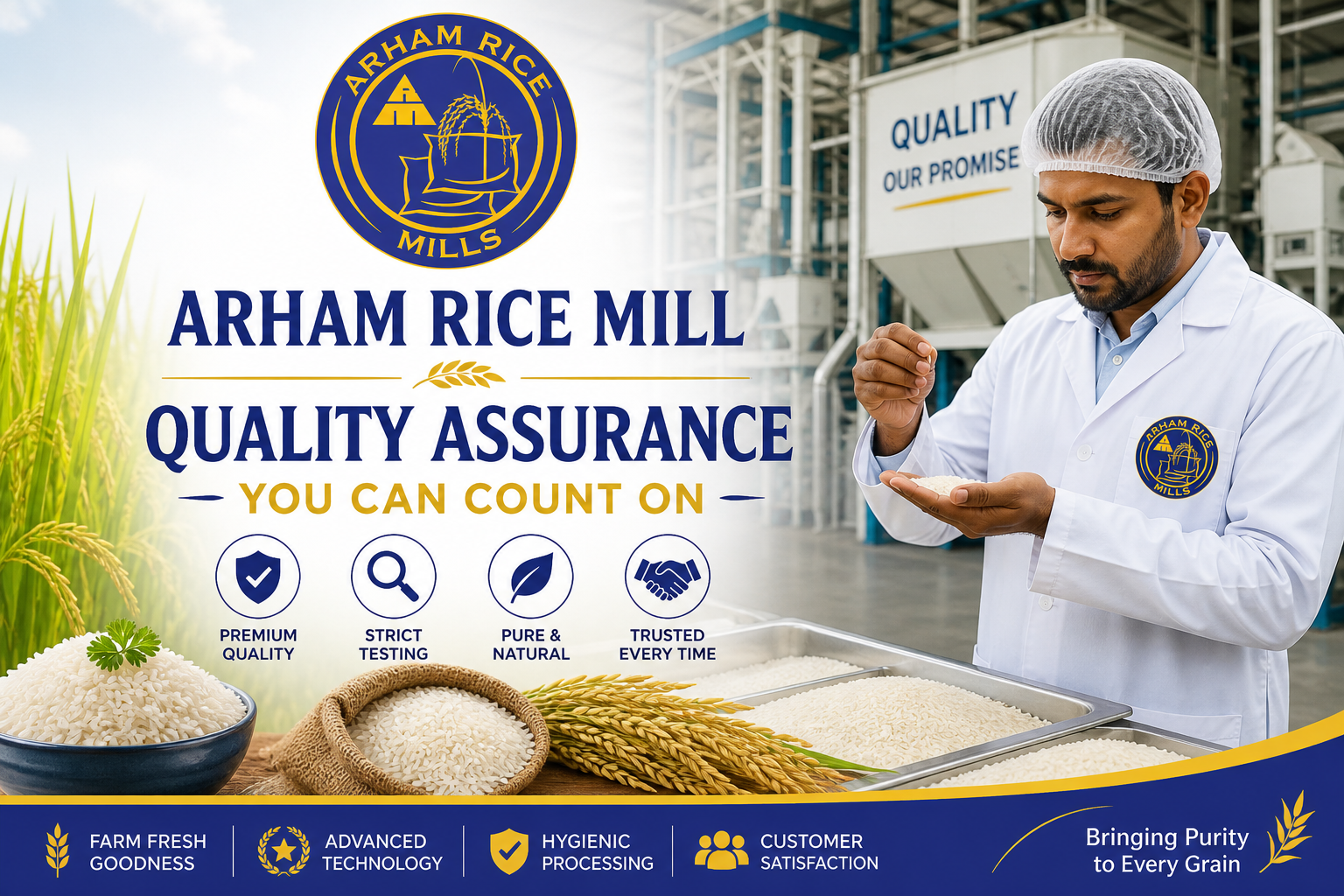
One of the key drivers of this transformation is improved quality standards. Modern rice mills are moving beyond basic processing to deliver uniform grain size, better aroma, and enhanced purity. Arham Rice Mill ensures this through careful paddy selection and advanced grading systems, resulting in premium rice that meets both local and international expectations.
Another major factor is the use of advanced processing technology. Automated cleaning, precision milling, and color sorting systems have significantly improved efficiency and reduced wastage. These technologies not only enhance the final product but also lower production costs, allowing companies to offer high-quality rice at competitive prices.
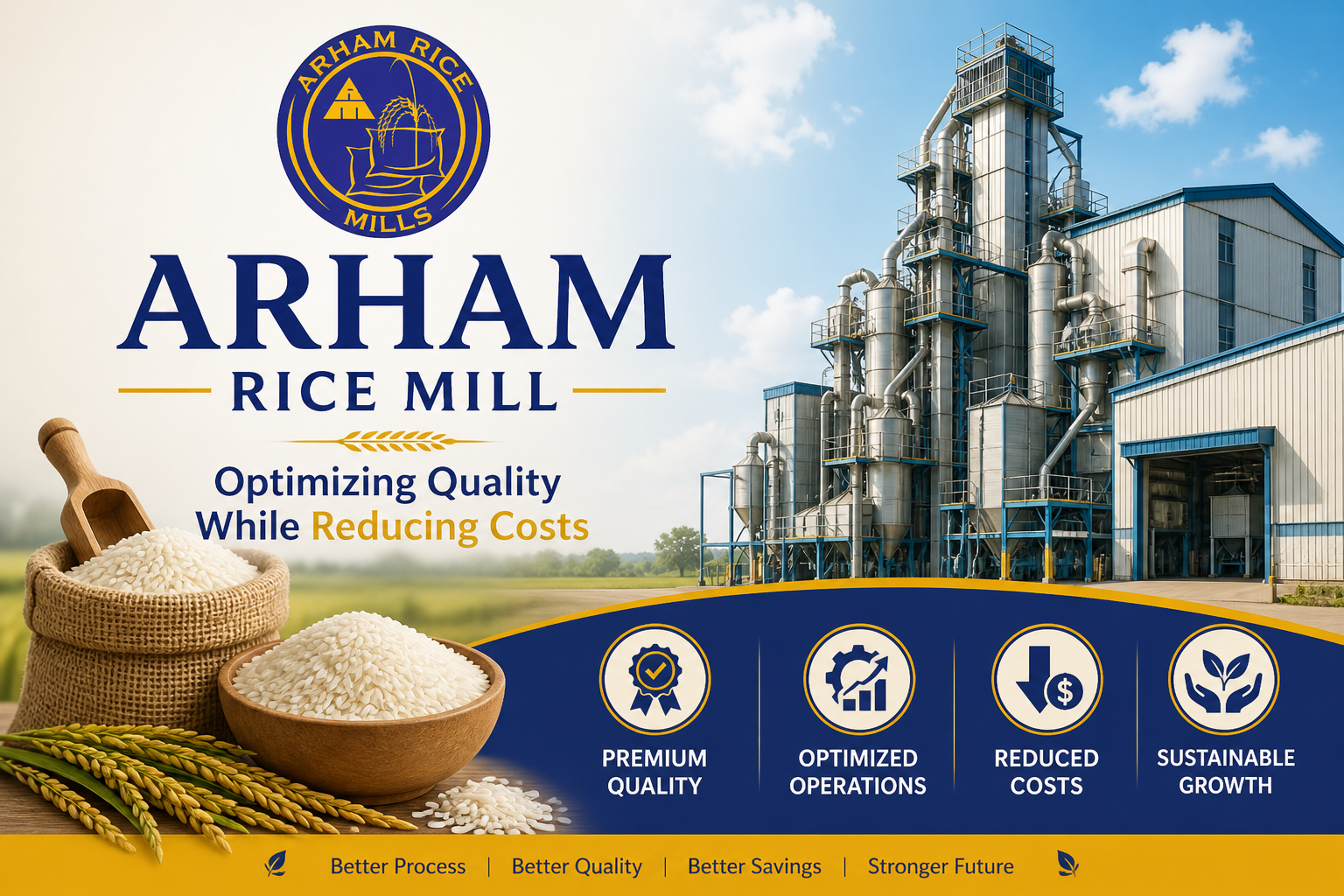
Value-driven production is also reshaping the industry. By optimizing operations and reducing unnecessary costs, Arham Rice Mill delivers better rice at better value. This approach benefits both consumers and businesses, making premium rice more accessible without compromising quality.
The transformation is further supported by strong supply chain management. Efficient sourcing, storage, and distribution systems ensure consistency and reliability. This helps maintain product quality while meeting growing demand in both local and global markets.
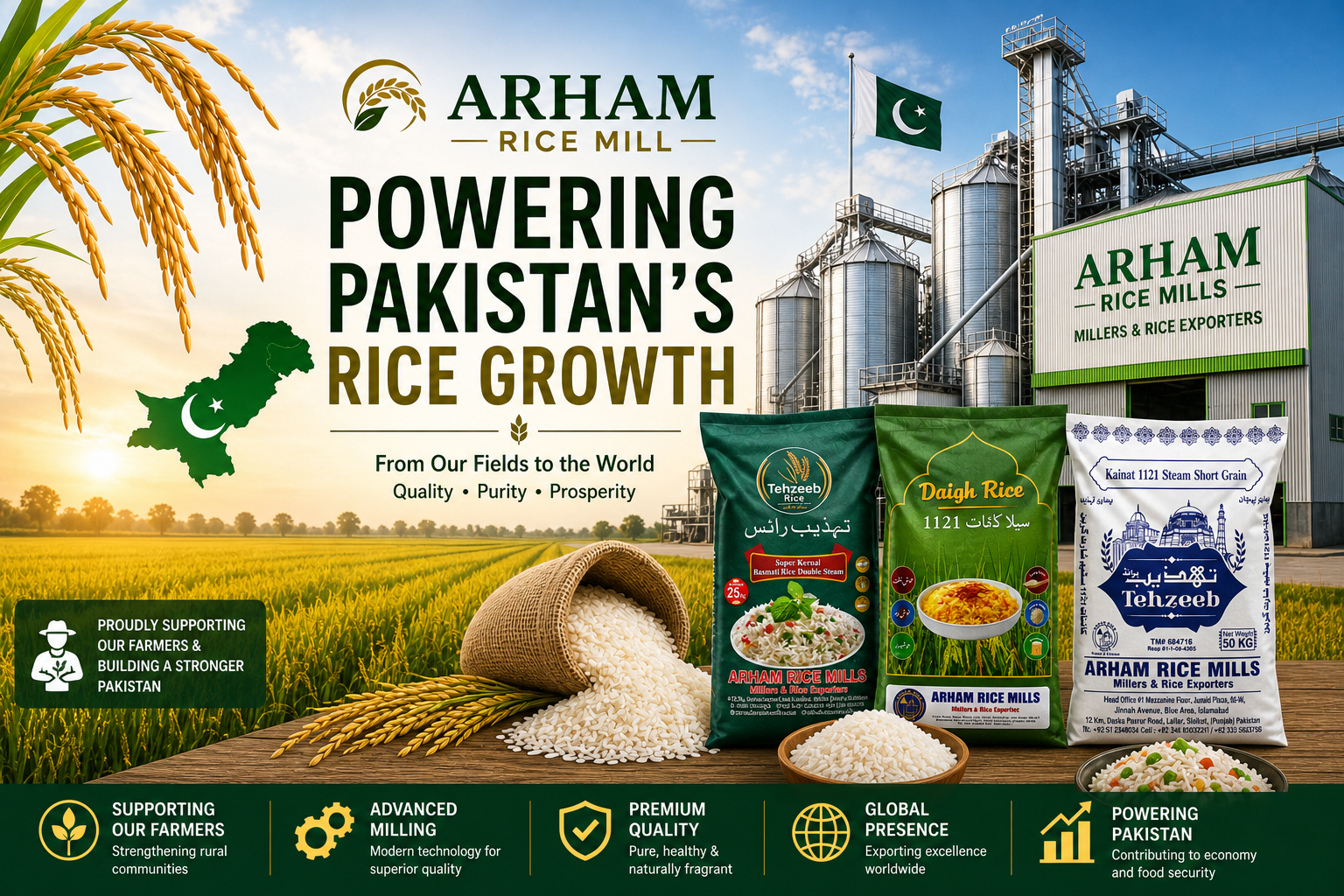
In addition, export growth is playing a crucial role. Pakistan is known for its high-quality basmati rice, and companies like Arham Rice Mill are helping expand its presence worldwide. By meeting international standards and delivering consistent quality, they strengthen Pakistan’s position in the global rice market.
Sustainability and farmer support are also becoming important aspects of this transformation. By working closely with farmers and promoting better agricultural practices, rice mills contribute to long-term industry growth and environmental balance.
✅ Conclusion
The transformation of Pakistan’s rice industry is being driven by a focus on quality, efficiency, and value. Arham Rice Mill stands as a key example of this progress, combining advanced technology, strict quality control, and cost-effective solutions. As the industry continues to evolve, such innovations will play a crucial role in strengthening Pakistan’s position in the global rice market.