Blogs
Steam Rice vs Raw Rice – Understanding the Differences

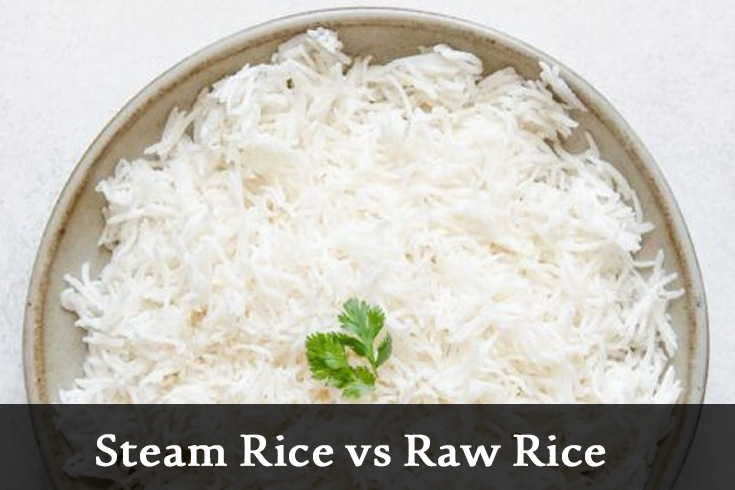
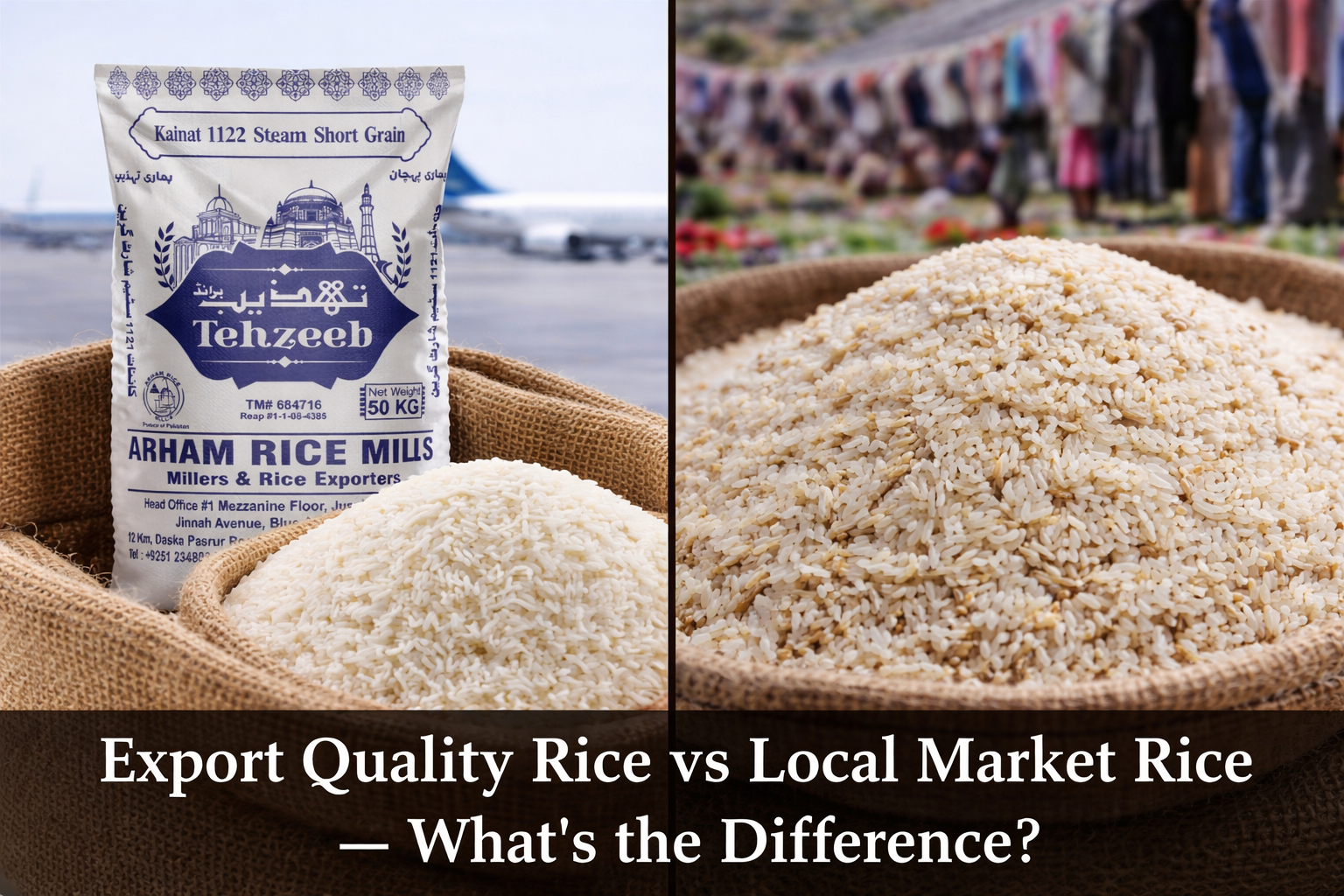
Rice is a staple food across the world, but not all rice types are processed the same way. Two commonly used varieties are steam rice and raw rice. Understanding the difference between them can help you choose the right option based on your cooking needs, texture preference, and usage.
What is Steam Rice?
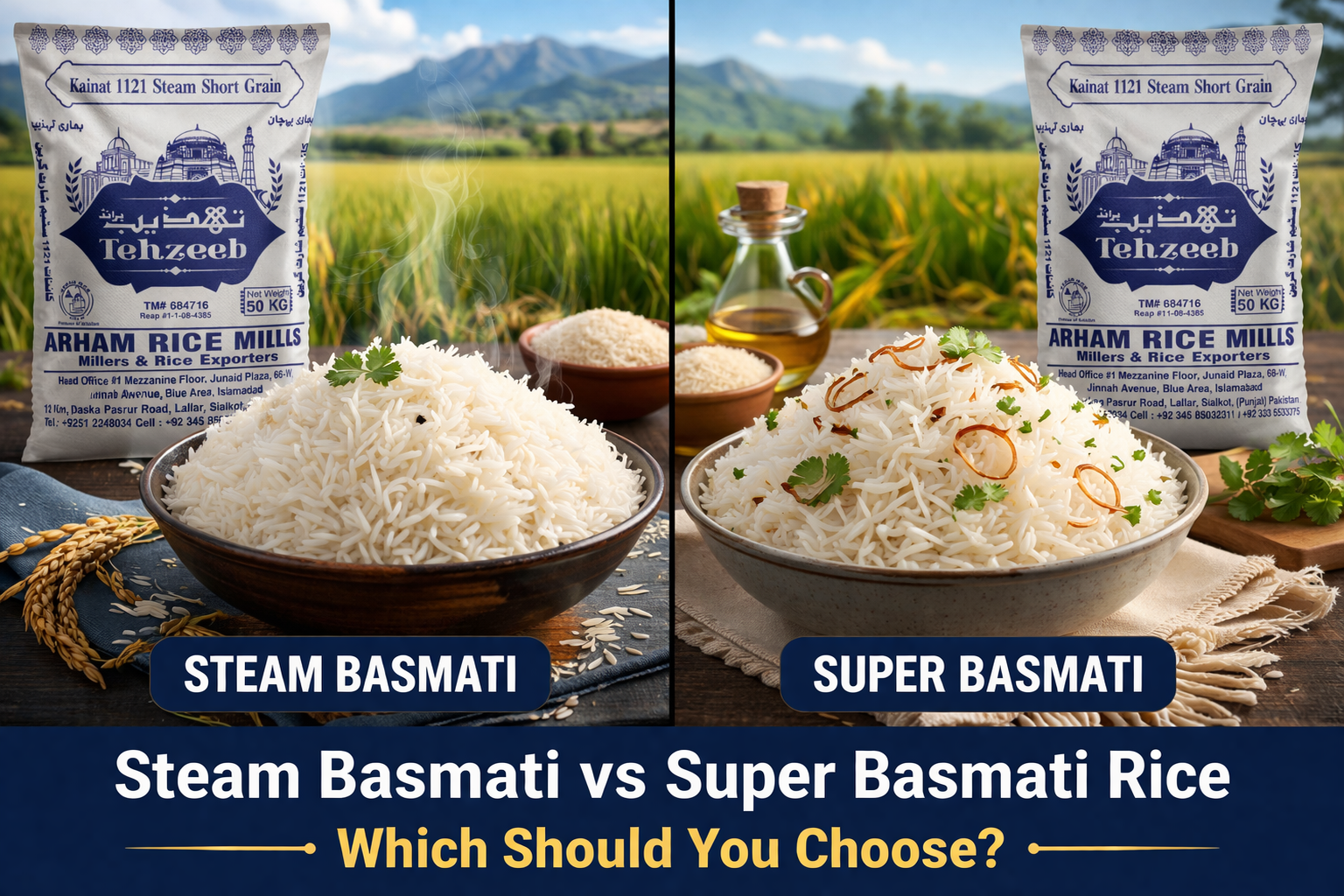
Steam rice is produced by steaming the paddy before milling, which helps retain some nutrients while maintaining the natural white color of the grain. This process improves the rice’s cooking performance and shelf life.
Steam rice is known for its soft texture, pleasant aroma, and quick cooking time. It cooks evenly and produces slightly fluffy grains, making it ideal for daily meals. It is widely used in households and restaurants where fast preparation is important.
What is Raw Rice?
Raw rice, also known as white rice, is obtained by directly milling the paddy without any pre-treatment like steaming or parboiling. This is the most natural form of processed rice.
Raw rice has a softer and more delicate texture after cooking, but it can sometimes be slightly sticky depending on the variety. It cooks faster than many processed rice types and is commonly used in everyday dishes.
Key Differences Between Steam Rice and Raw Rice
- Processing Method:
Steam rice is steamed before milling; raw rice is milled directly without steaming. - Texture:
Steam rice is fluffy and slightly firm; raw rice is softer and can be more tender. - Cooking Time:
Steam rice takes a bit longer than raw rice; raw rice cooks faster. - Grain Separation:
Steam rice offers better grain separation; raw rice may become slightly sticky. - Shelf Life:
Steam rice has a longer shelf life due to its processing; raw rice has a shorter shelf life.
Which One Should You Choose?
The choice between steam rice and raw rice depends on your needs. If you want better grain separation, longer shelf life, and consistent results, steam rice is a great option. On the other hand, if you prefer quick cooking and a softer texture, raw rice is ideal for everyday use.
Conclusion
Both steam rice and raw rice have their own advantages. Steam rice is preferred for its durability and cooking performance, while raw rice is valued for its simplicity and softness.
At Arham Rice Mills, we provide high-quality steam and raw rice varieties to meet the diverse needs of households, restaurants, and international buyers.