Blogs
Long Grain vs Short Grain Rice – What’s the Difference?

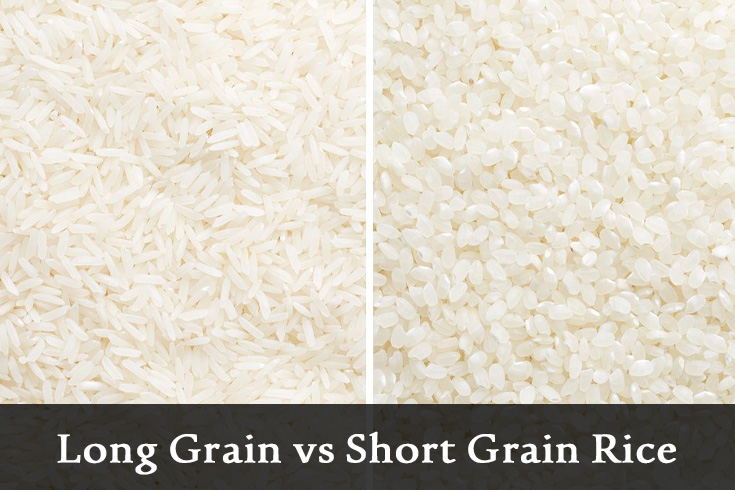
Rice is one of the most widely consumed staple foods in the world, but not all rice is the same. The difference between long grain and short grain rice lies in their size, texture, starch content, and cooking uses. Understanding these differences helps you choose the right rice for your recipes.
What is Long Grain Rice?
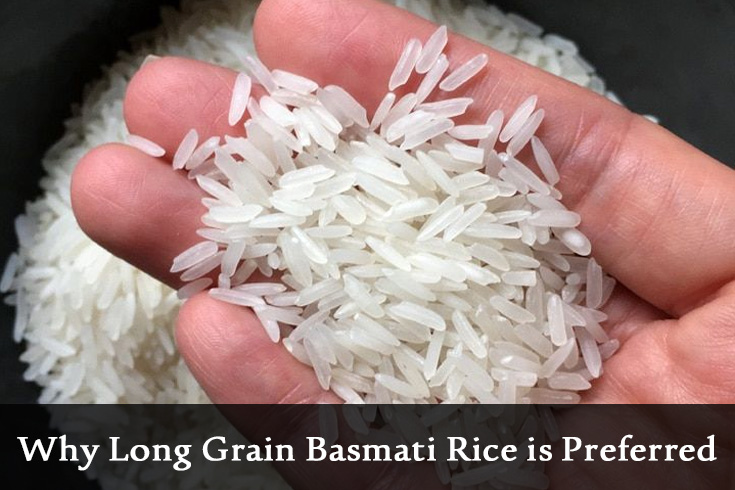
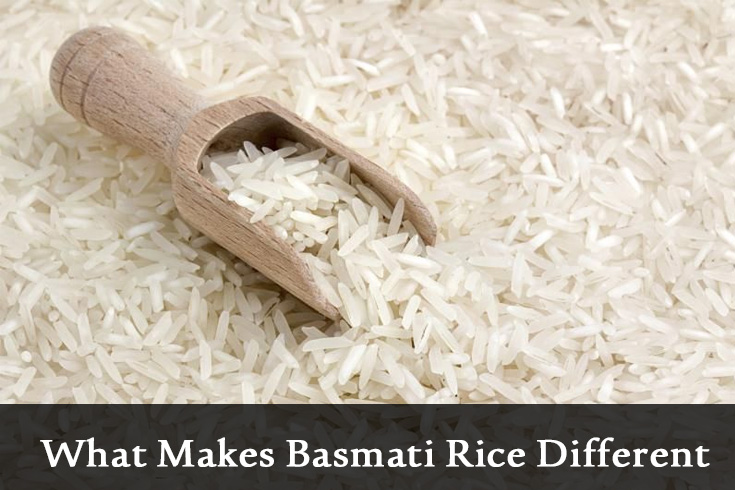
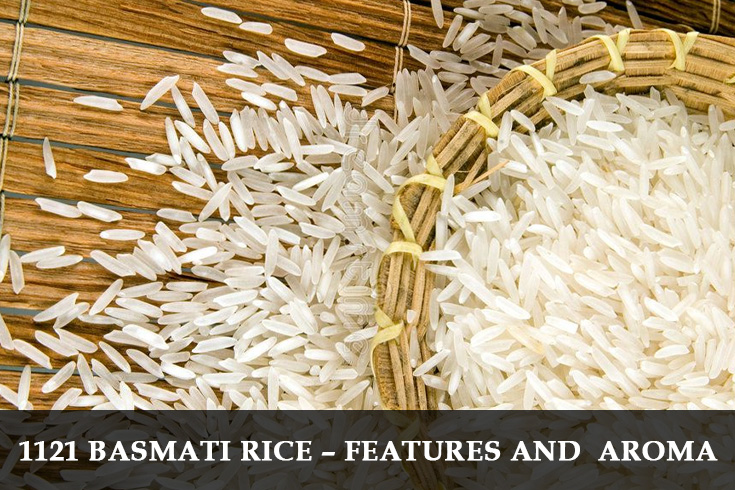
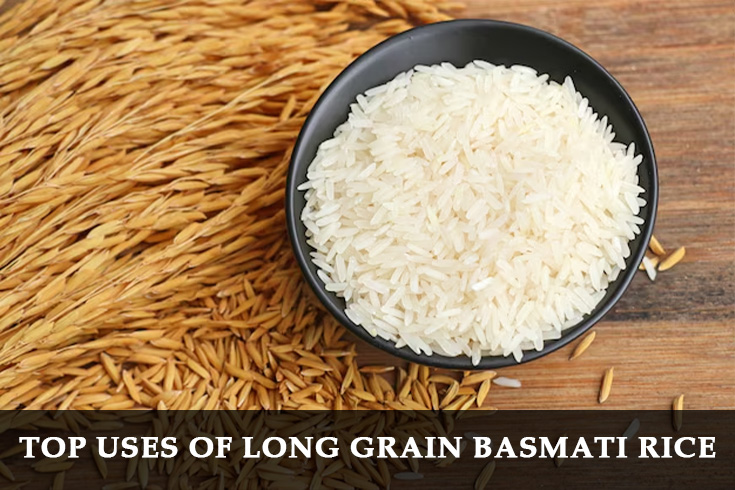
Long grain rice is characterized by its long, slender grains, typically three to four times longer than they are wide. Popular varieties like basmati rice fall into this category.
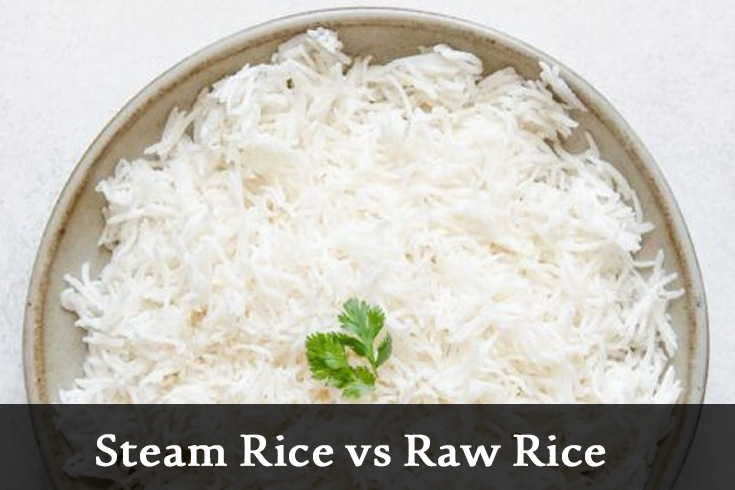
When cooked, long grain rice becomes light, fluffy, and non-sticky, with each grain remaining separate. This makes it ideal for dishes that require a dry and airy texture.
Best uses of long grain rice:
- Biryani and pulao
- Fried rice
- Pilaf and Middle Eastern dishes
- Steamed rice with curries
What is Short Grain Rice?
Short grain rice has short, round grains and contains a higher amount of starch. When cooked, it becomes soft, moist, and sticky, allowing it to clump together easily.
This sticky texture makes short grain rice perfect for dishes that require a creamy or cohesive consistency.
Best uses of short grain rice:
- Sushi
- Risotto
- Rice pudding
- Sticky rice dishes
Key Differences Between Long Grain and Short Grain Rice
- Grain Shape:
Long grain rice is long and thin; short grain rice is short and round. - Texture:
Long grain rice is fluffy and separate; short grain rice is soft and sticky. - Starch Content:
Long grain rice has lower starch; short grain rice has higher starch content. - Flavor Profile:
Long grain rice is light and aromatic; short grain rice is richer and slightly sweet. - Cooking Style:
Long grain rice is best for dry, separate dishes; short grain rice suits creamy or sticky recipes.
Which Rice is Better?
There is no single “better” option—it depends on your cooking needs. If you prefer non-sticky, separate grains, long grain rice is the best choice. If your recipe requires stickiness and creaminess, short grain rice is more suitable.
Conclusion
Long grain and short grain rice each have unique qualities that make them suitable for different cuisines. Long grain rice, especially basmati, is ideal for traditional dishes, while short grain rice is perfect for specialty recipes like sushi and desserts.
At Arham Rice Mills, we specialize in premium long grain basmati rice, delivering exceptional quality, aroma, and performance for both local and international markets.