
Blogs
What Makes Export Quality Rice Different from Regular Rice?

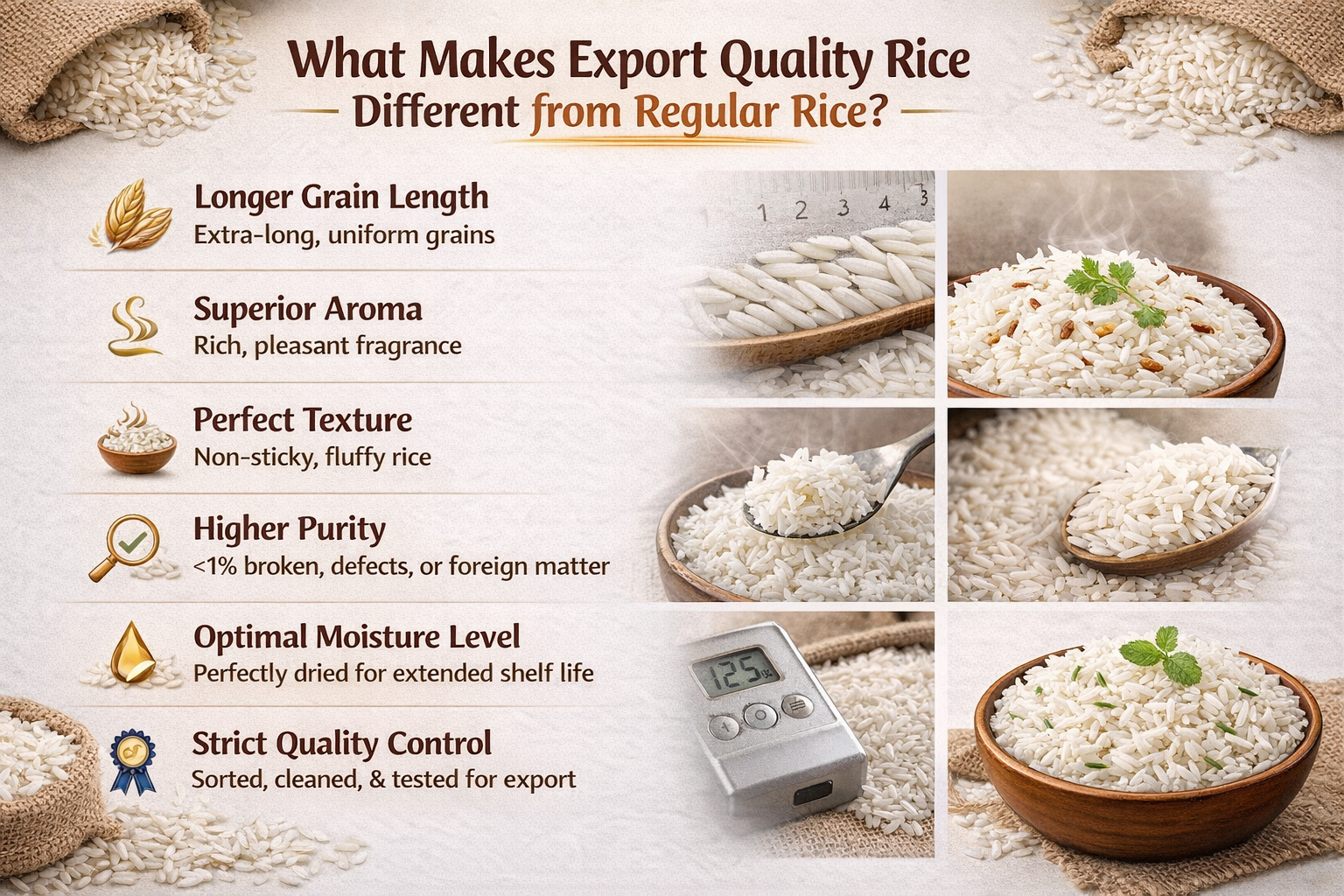
In the rice industry, not all rice is the same. Export quality rice is specially processed, graded, and packaged to meet international standards, while regular rice is typically produced for local consumption. Understanding these differences is important for importers, wholesalers, and businesses looking for consistent quality and global market acceptance.
1. Strict Quality Standards
Export quality rice must meet strict international standards, including:
- Uniform grain size and length
- Low broken grain percentage
- Proper moisture content
- High cleanliness and purity
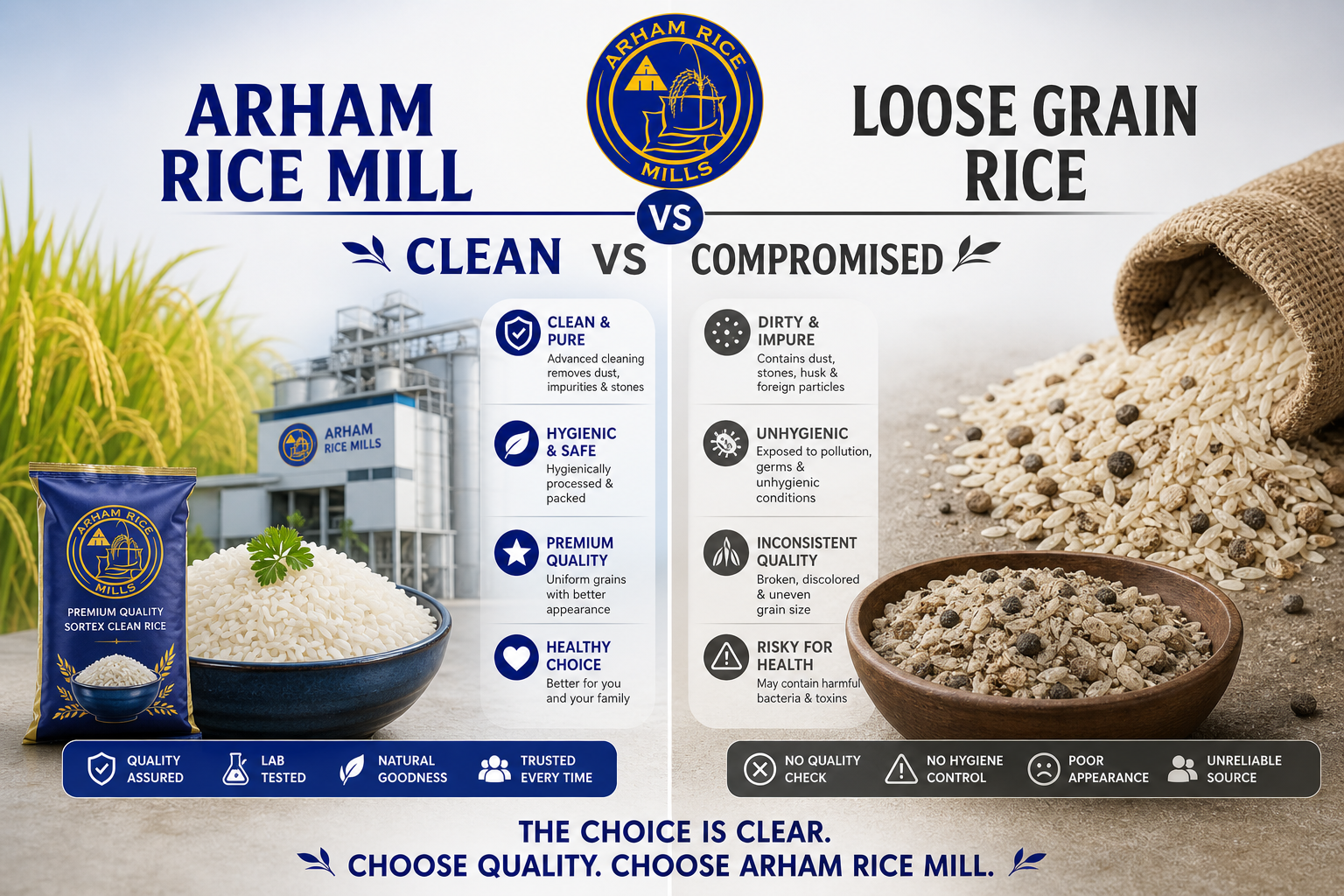
Regular rice may not always meet these strict criteria, as it is often processed for local markets with less stringent requirements.
2. Advanced Processing Techniques
Export-quality rice goes through advanced milling and cleaning processes such as:
- De-stoning and polishing
- Color sorting
- Multiple quality checks
These processes ensure that the rice is free from impurities and maintains a premium appearance.
3. Consistent Grain and Appearance
Consistency is a key factor in export markets. Export quality rice offers:
- Uniform grain size
- Better visual appeal
- Minimal defects
Regular rice may have variations in size, color, and quality, which can affect its market value.
4. Better Packaging Standards
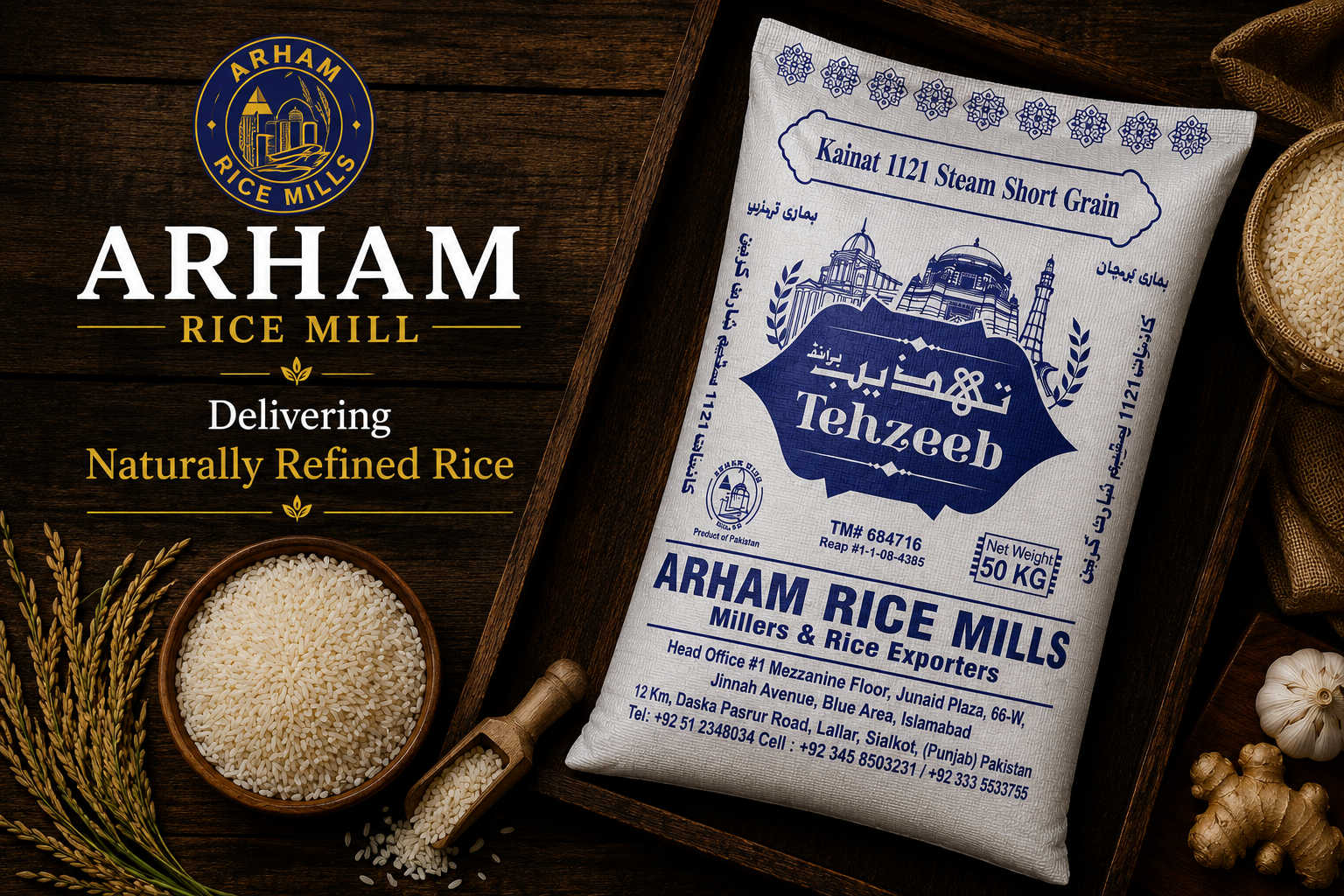
Export rice is packed using high-quality, durable materials that protect it during long-distance shipping. Features include:
- Moisture-resistant bags
- Secure sealing
- Customized packaging for different markets
Regular rice packaging is usually simpler and may not be suitable for international transport.
5. Compliance with International Regulations
Export quality rice must comply with:
- Food safety regulations
- Import/export laws
- Certification requirements
This ensures smooth customs clearance and acceptance in global markets.
6. Higher Market Value
Due to its superior quality, export rice is priced higher. It is preferred by:
- International buyers
- Restaurants and food chains
- Bulk importers
Regular rice, while more affordable, is mainly used for local consumption.
Conclusion
Export quality rice differs from regular rice in terms of processing, standards, consistency, and packaging. It is designed to meet global expectations and ensure reliability in international trade.
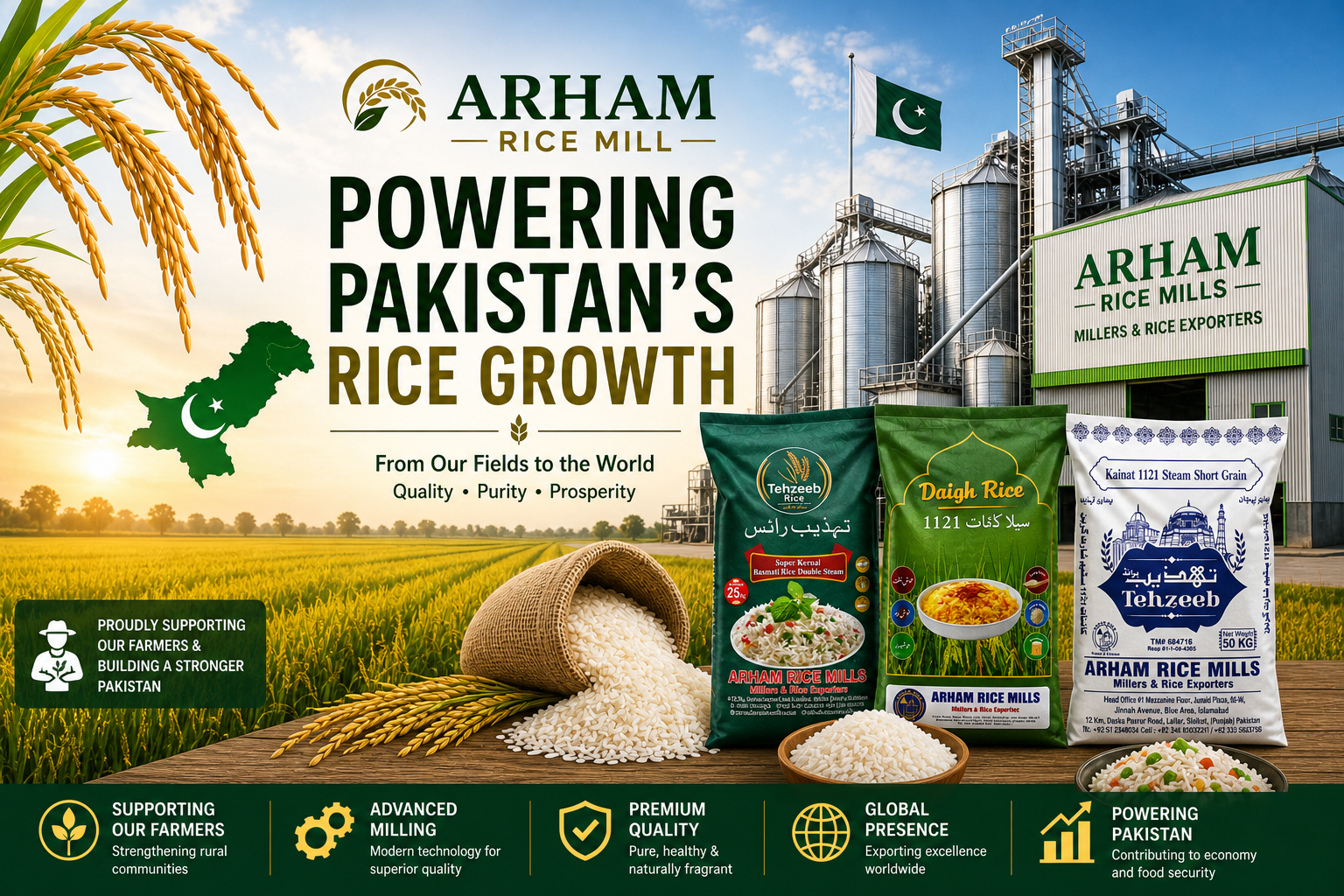
At Arham Rice Mill, we focus on delivering export-quality rice through advanced processing, strict quality control, and reliable packaging, ensuring every shipment meets international standards.